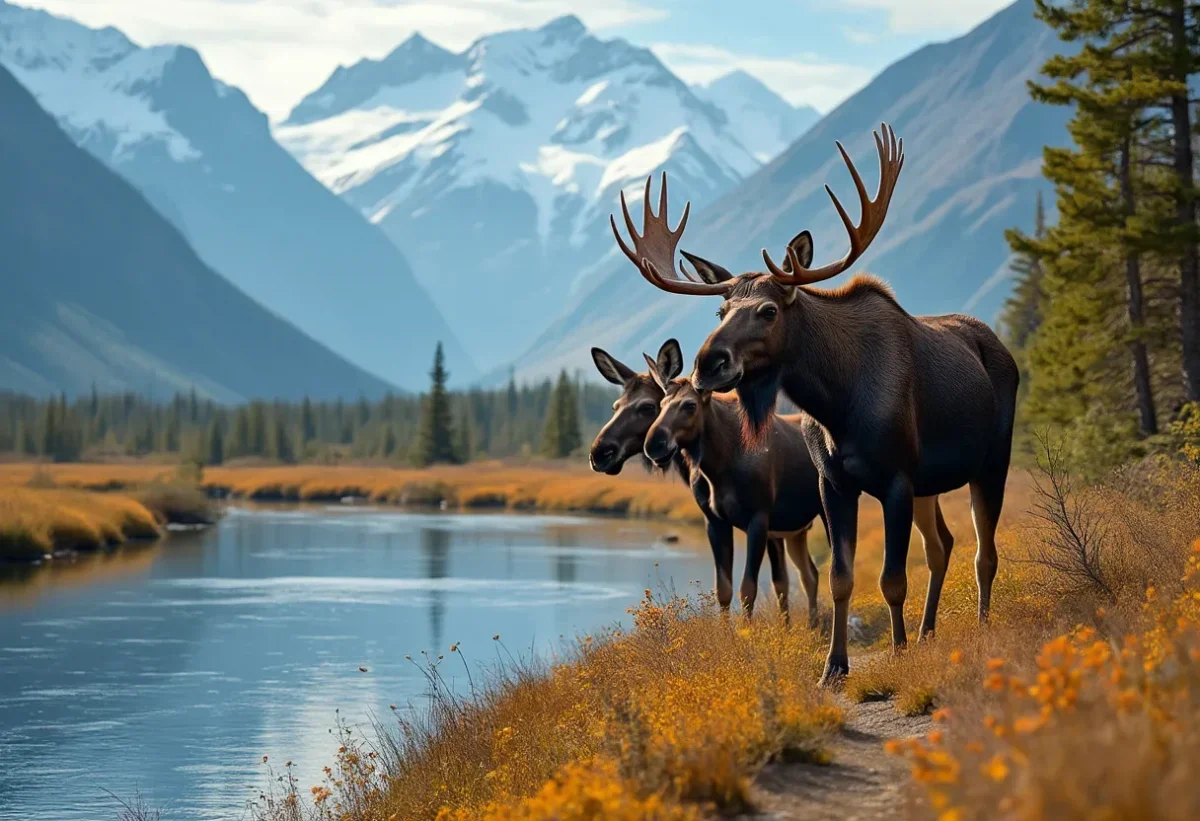
In the vast frozen expanses of Alaska, far from modern conveniences, the Brown family struggles daily to survive. The show ‘The Browns: Generation Alaska’ offers a fascinating dive into their lives, revealing the challenges and triumphs of this extraordinary existence.
Between hunting, fishing, and building their shelters, each family member must demonstrate ingenuity and resilience. This portrait of wilderness life highlights the strength of character needed to thrive in extreme conditions, while also emphasizing the importance of family bonds and solidarity.
The Authentic Challenges of Wilderness Life in Alaska
The television series ‘The Browns: Generation Alaska’ features a family claiming to live in extreme isolation in Alaska. The Browns, originally from Texas, moved to Alaska in the 1980s. Billy Brown and his wife Ami Brown brought their children, including Matt Brown, Noah Brown, and Bear Brown, on this adventure. The show depicts them overcoming constant challenges: surviving in a hostile environment, hunting for food, building shelters, and maintaining family cohesion.
The Browns Alaska death Bear, a frequent search term on search engines, reflects the public’s interest in the personal dramas and potential tragedies surrounding this family. The reality is often more nuanced. The Brown family does not solely live in extreme isolation as portrayed in the show. In reality, they currently reside in Washington and frequently move for filming needs.
The Daily Challenges
- Hunting and fishing to meet food needs
- Building and maintaining shelters in extreme weather conditions
- Managing personal issues, such as Matt Brown’s substance abuse
- Limited social interactions, often reduced to close family
Brown family and nature are terms that frequently recur in the narrative of this show. The audience is thus invited to follow the Browns’ adventures, while being aware that the image conveyed on screen is carefully constructed. Fiction and reality intertwine, creating a romanticized vision of wilderness life.
Filming locations such as Grizzly Pizza and Copper Center, often close to where the family is filmed, also highlight the dichotomy between reality and staging. Consider this series as a window into authentic challenges, but also as a media production with its own narrative imperatives.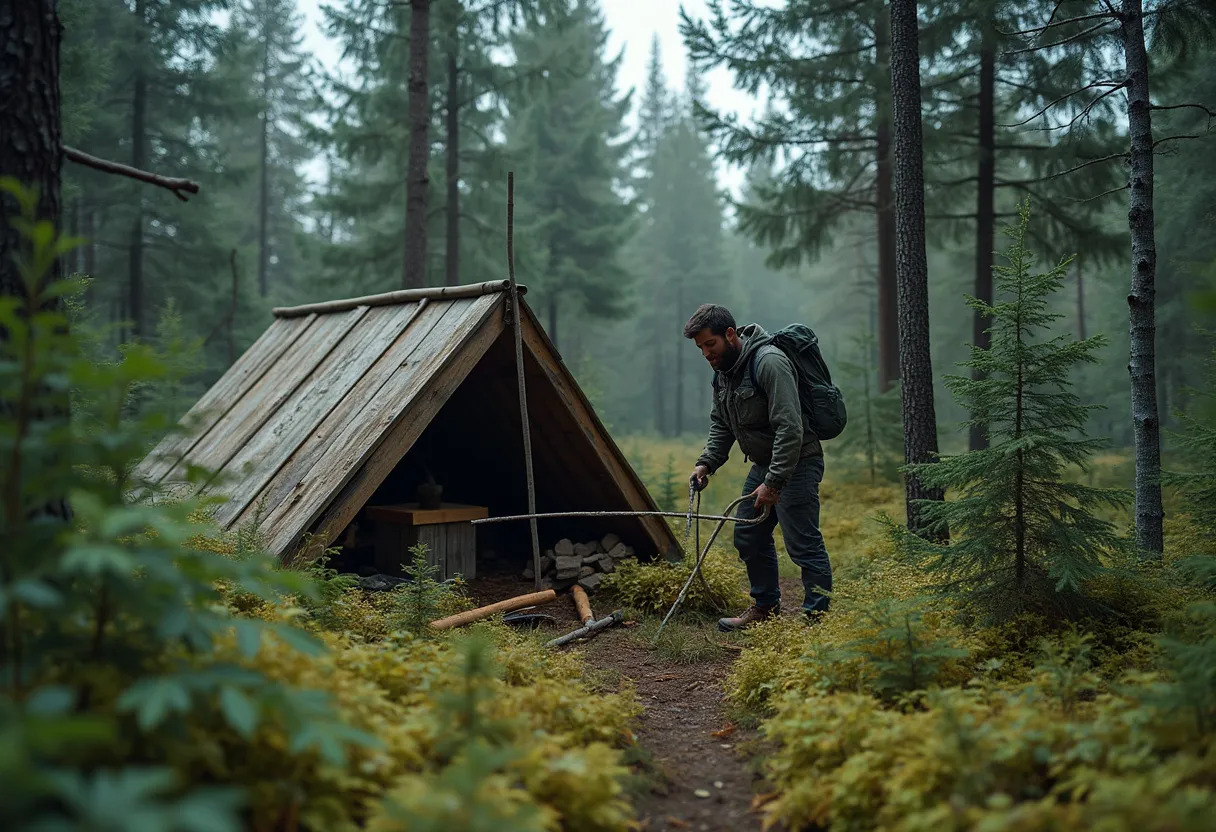
The Impact of the Show on Perceptions of Alaskan Lifestyle
The show ‘The Browns: Generation Alaska’ has profoundly influenced public perception of life in Alaska. By featuring a supposedly isolated and self-sufficient family, the series creates a romanticized and often idealized image of wilderness life. This representation has a dual effect: it draws attention to the real challenges of this life while masking certain truths.
Generation Alaska is not just a reality TV series; it has become a cultural phenomenon. Social media amplifies this effect, with viewers sharing and commenting on episodes in real-time. Online discussions often raise questions about the authenticity of the situations presented. The financial program fraud involving ‘Alaskan Permanent Fund Dividends’ by Billy and Joshua Brown has also cast a shadow over the family’s integrity, revealing a striking contrast between reality and television fiction.
| Name | Role | Relation |
|---|---|---|
| Billy Brown | Family Father | Financial program fraud |
| Joshua Brown | Oldest Son | Accomplice in fraud |
The producers, including Allison Kagan and Shanks, play a fundamental role in narrating this story. The editing, storyline choices, and highlighted interactions shape public perception. Consider the show as a media construction where reality is often adapted to meet entertainment demands.
‘The Browns: Generation Alaska’ illustrates the tensions between reality and fiction in reality TV. The series, while captivating its audience, raises questions about the true nature of the Alaskan lifestyle.